From Florence to Trieste: An Italian Welcome
A rail strike disrupted our plans, but the generosity we encountered from Florence to Trieste became the story we brought home

Photos Courtesy of David Foxhoven
This story begins shortly after we landed in Rome. Tired from a transatlantic flight, we were looking forward to three leisurely days of sightseeing before continuing to Florence. Instead, within hours of our arrival, we heard an unfortunate word that every Italian knows and every traveler to Italy should know: sciopero. It means “strike.” In our case, it was a nationwide train strike.
Rather than spending a few lazy days exploring Rome, we found ourselves scrambling to catch one of the last trains north before the rail system ground to a halt. For how long? No one could tell us. We managed to snag the final two seats on a Florence-bound train, a stop-and-start journey repeatedly delayed by what officials described as “demonstrators on the tracks.”
As the train crept northward, we called Claudio Meli, general manager of The Place Firenze, hoping he might be able to accommodate us several days earlier than our reservation. With only 20 rooms, the boutique hotel was hardly a sure bet.

“Don’t worry. You won’t be sleeping on the street,” Meli assured us. “If there isn’t a room at the hotel, I’ll take you to my home.”
It was our first glimpse of the generosity we would encounter again and again as we traveled through northern Italy.
Meli kept his promise. Juggling reservations with apparent ease, he moved us from room to room as space became available. One night we stayed in the penthouse, where the travertine marble bathtub looked out over red-tile roofs all the way to Giotto’s Campanile. The next night we settled into a compact room that felt cozy and cocooning. Each room contained unexpected treasures—art, textiles and handcrafted objects created by artists supported through the hotel’s foundation, The Place of Wonders.
Evenings unfolded over memorable meals on the piazza or the rooftop terrace. Chef Asso Migliore, who learned to cook in his nonna’s kitchen, served a memorable Spaghettone Fabbri with tomato, basil and local pecorino. We also devoted an evening to a Negroni tasting—seven different versions of Florence’s most famous cocktail.
Then, as suddenly as it had begun, the strike was settled, and we boarded another train north to Milan, Lake Como, Venice and the often-overlooked city of Trieste.
Milan
Milan is Italy’s capital of finance and fashion, but we spent as much time thinking about lunch as luxury goods. We started with risotto alla Milanese—golden with saffron and unapologetically rich—then wandered from cafés to boutiques. Inside the art institution Fondazione Prada, we stopped for a beer at film director Wes Anderson’s Bar Luce, a delightfully quirky space with terrazzo floors, retro Formica chairs and pinball machines.
Everywhere we went, conversations seemed to begin the same way: “Americans?” and a big smile. Then, a recommendation. A favorite café. A family-run restaurant. A shop hidden down a side street.
Shopping in Milan feels like a cultural experience. At Valextra, artisans have been making handbags and luggage since the 1930s, and each piece is stamped with the number of the person who made it. We admired the beautifully curated luxury collections at Antonia and the joyful maximalism of La DoubleJ before acknowledging that Milanese chic probably wouldn’t translate to our lives back home. We did splurge on a stay at the Principe di Savoia, indulging our fantasy of living like Milanese aristocracy—if only until checkout.

Lake Como
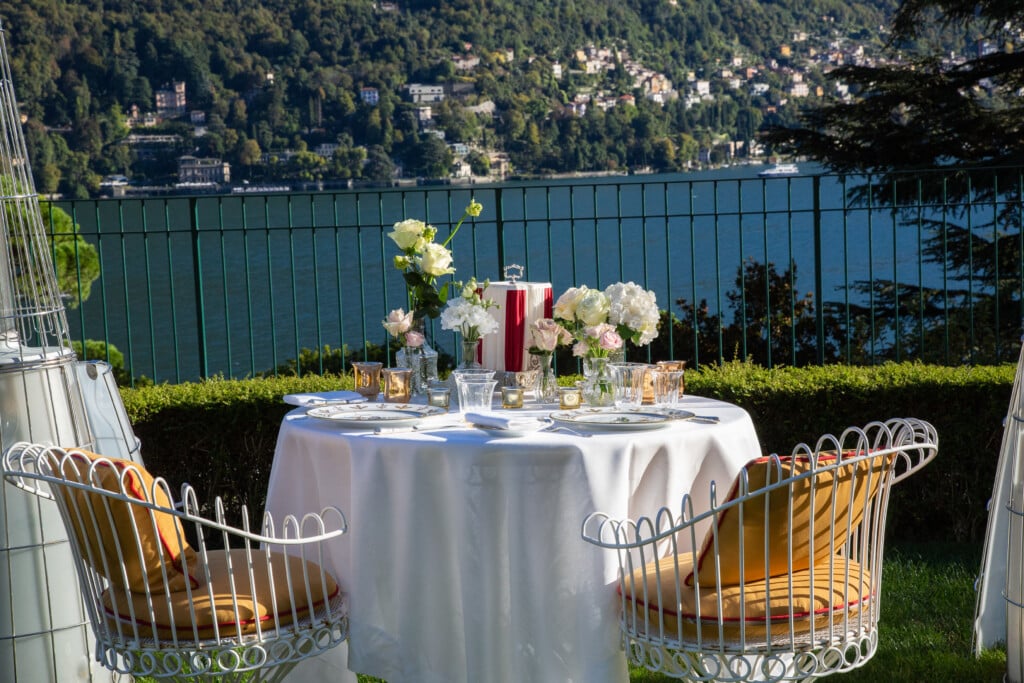
Before heading to Venice, we took a quick detour to Lake Como. The word is certainly out about this storied destination and, yes, it really is that beautiful. Ancient villages line the shore, ferries crisscross the water, and around nearly every bend is a villa grand enough to make you wonder who lives there. Rather than brave the narrow lakeside roads ourselves, we hired a driver and settled in to enjoy the scenery. Along the way, he pointed out hidden corners of the lake we might otherwise have missed and shared the kind of local stories that don’t appear in guidebooks.
Lunch overlooking the water at the Grand Hotel Tremezzo—a seafood-and-saffron risotto—was one of the highlights. Patricia Schultz, author of 1,000 Places to See Before You Die, told us to visit Villa Carlotta and its expansive gardens for “an enviable glimpse of how il bel mondo once enjoyed this slice of paradiso … and still do.”

Venice
The high-speed train from Milan to Venice takes just 2½ hours, but arriving at Santa Lucia Station feels like stepping into another century. We rolled our suitcases through the station doors, and there it was: the Grand Canal, shimmering in the afternoon light and crowded with boats of every description.
A water taxi delivered us to Londra Palace Venezia, where we spent the next few days doing what Venice encourages: wandering without much of a plan. We crossed bridge after bridge, occasionally consulting a map, more often not. One afternoon we visited Tessitura Luigi Bevilacqua, where artisans still weave extraordinary fabrics on centuries-old looms. They were as eager to share the history of their craft as they were to demonstrate it, and what began as a tour turned into stories about Venice itself—past and present all woven together.
We made the obligatory stop at Caffè Florian, where the coffee is expensive but the people-watching is first-rate. Evenings ended on the hotel’s rooftop terrace, cocktail in hand, watching the light over the lagoon turn a soft pink.
Trieste
Our final stop was Trieste, a surprisingly unsung city perched at the northeastern edge of Italy. For the next few days, we called the Savoia Excelsior Palace home. Opened in 1911 to accommodate travelers from across the Habsburg Empire, the grand waterfront hotel still exudes an unmistakable Middle European elegance.
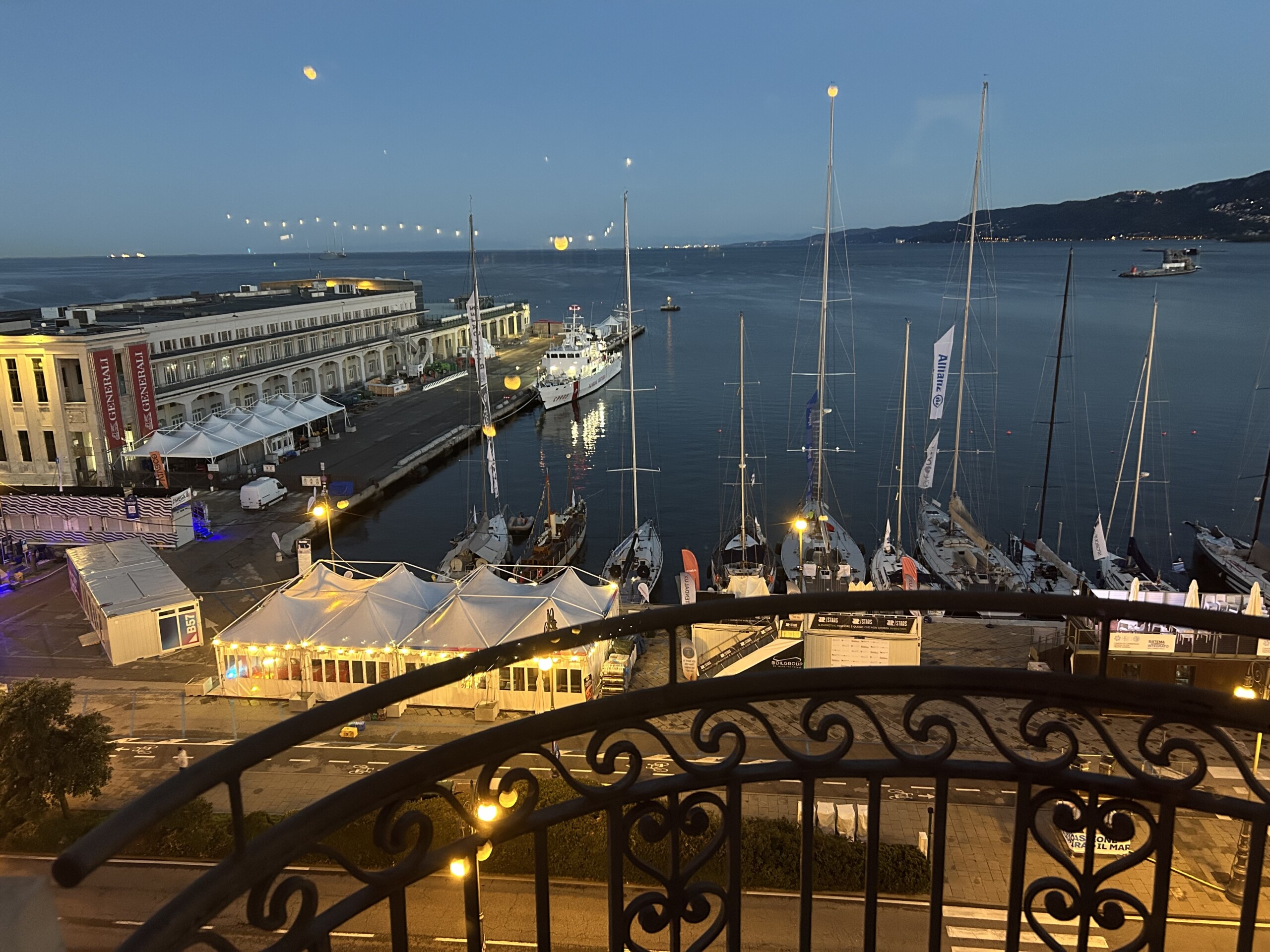
Our room overlooked the Adriatic, and the timing could not have been better. It was Barcolana, the beloved annual sailing race. From our balcony, we watched the harbor fill with everything from sleek racing yachts to family sailboats. As general manager Ricardo Zanolotti explained, one of the event’s charms is its inclusiveness: Elite competitors and first-time sailors all share the same starting line.
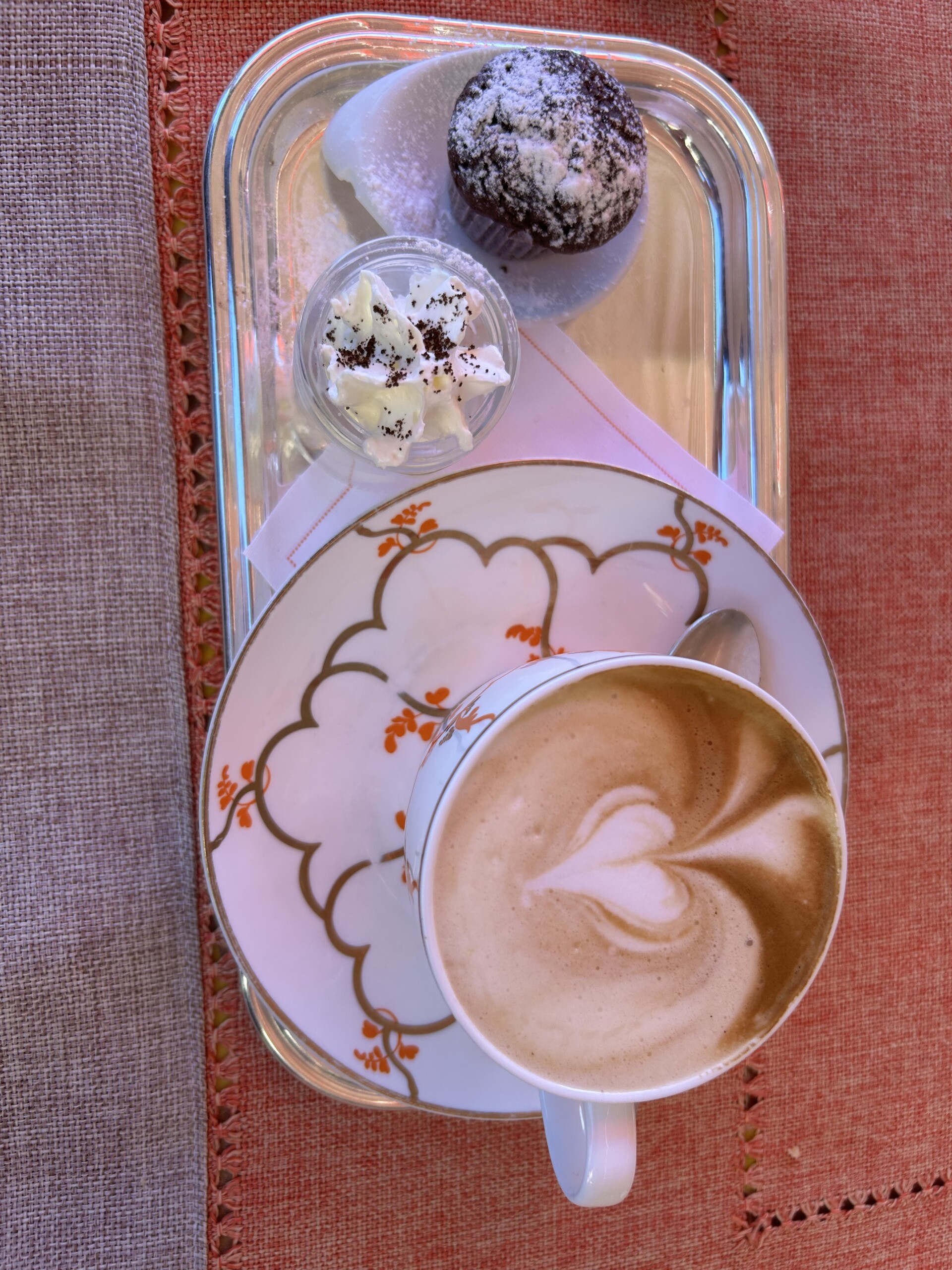
When we weren’t watching the sailing, we discovered the city’s other great passion: coffee. A stop at historic Caffè San Marco felt like stepping into Trieste’s Austro-Hungarian past. Locals seemed delighted to explain the city’s unique blend of Italian, Austrian and Slovenian influences, sharing their favorite places—and often walking with us to show us—which made the city feel more personal than we expected.
Our journey began with the inconvenience of a train strike, but it was shaped far more by the people we met along the way. In Florence, a hotel manager offered us a room—or his home if necessary. In each city, strangers were quick to point us toward hidden streets, quiet corners and details we might otherwise have missed. Hospitality seemed to meet us everywhere we went.